
Jaw Bone Grafting & Sinus Lift for Dental Implants Explained
Published on 2026-09-09 · Clinic Smile - Les Experts, Netanya
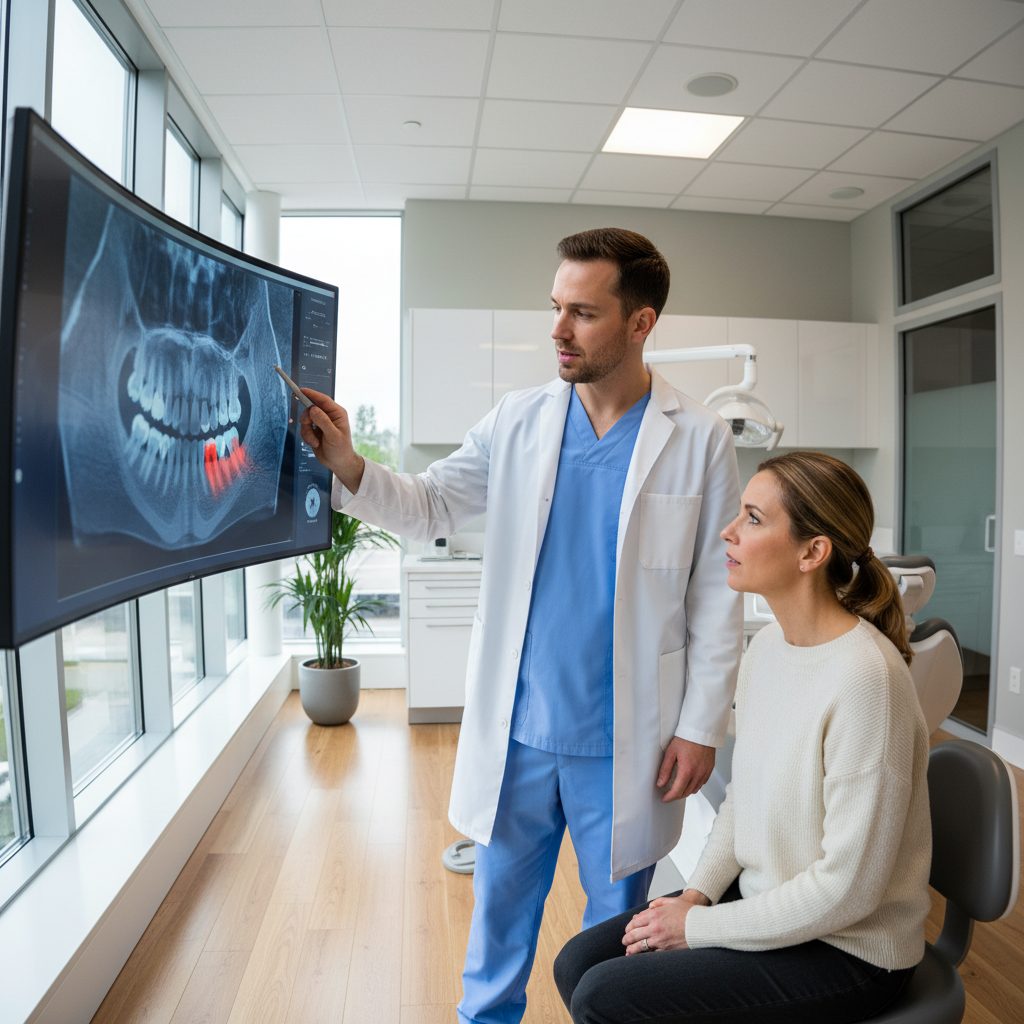
Dental implants offer a durable and aesthetic solution for missing teeth. However, successful implant placement relies on a strong, healthy jawbone. For many patients in Netanya, including those visiting Clinic Smile - Les Experts, bone grafting or a sinus lift procedure may be a necessary prerequisite. This comprehensive guide will explain why these procedures are crucial, what to expect during and after, and the typical timeline before you can receive your new dental implants.
Why Jaw Bone Grafting or a Sinus Lift Might Be Necessary
The jawbone provides the foundation for dental implants. When a tooth is lost, the bone that once supported it can start to resorb or shrink due to lack of stimulation. This bone loss can also occur due to gum disease, trauma, or prolonged denture use. If there isn't sufficient bone volume or density, the implant won't have a stable base, leading to potential failure. This is where procedures like bone grafting become essential.
A bone graft, known in Hebrew as השתלת עצם לסת or השתלת עצם בחניכיים, involves adding bone material to areas where it's deficient. This material can come from your own body, a donor, an animal source, or synthetic materials. The goal is to stimulate new bone growth, creating a robust foundation capable of supporting a dental implant for many years to come. Our specialists at Clinic Smile - Les Experts will determine the best grafting material for your specific needs.
Understanding the Sinus Lift Procedure
The maxillary sinuses are air-filled spaces located behind your cheeks, above the upper back teeth. When upper back teeth are lost, the sinus floor can drop down into the space where the tooth roots once were. This leaves insufficient bone height for dental implants. A sinus lift, also known as sinus augmentation, is a specific type of bone grafting procedure designed to address this issue.
During a sinus lift, our experienced dentists at Clinic Smile – Les Experts carefully raise the sinus membrane, creating a space beneath it. This space is then filled with bone graft material. Over time, this material integrates with your existing bone, creating new, strong bone suitable for implant placement. This specialized procedure ensures the longevity and stability of your upper back dental implants.
The Procedure: What to Expect
Both jaw bone grafting and sinus lift procedures are performed under local anesthesia, ensuring your comfort throughout. Depending on the complexity, sedation options may also be available. Your dentist at Clinic Smile - Les Experts will make an incision in your gum to access the bone. For a bone graft, the material is placed directly onto the jawbone. For a sinus lift, the sinus membrane is gently lifted, and the graft material is inserted.
After the graft material is placed, the gum tissue is carefully sutured back into place. The entire procedure is meticulously planned using advanced 3D technology available at our Netanya clinic, ensuring precision and optimal outcomes. Our team of 8 specialized dentists, with over a decade of experience, prioritizes your safety and comfort during every step.
Recovery, Discomfort, and Normal Aftercare
It's normal to experience some discomfort, swelling, and bruising after bone grafting or a sinus lift. Your dentist will prescribe pain medication to manage any pain, which is typically well-controlled. While you might wonder about כאבים חזקים אחרי השתלת עצם, severe pain is uncommon and should be reported immediately. Most patients describe the discomfort as manageable, similar to that after a tooth extraction.
You'll receive detailed post-operative instructions, including dietary restrictions (soft foods), oral hygiene guidelines, and activity limitations. It's crucial to follow these instructions diligently to promote healing and prevent complications. Regular follow-up appointments at Clinic Smile - Les Experts will monitor your recovery and ensure the graft is integrating properly. Healing time varies, but patience is key for successful bone regeneration.
Timeline Before Dental Implant Placement
The most common question after bone grafting or a sinus lift is, "How long until I can get my implants?" The healing period is crucial for the graft material to integrate with your existing bone and create new, strong bone. This process, called osseointegration, typically takes anywhere from 4 to 9 months, sometimes even longer depending on the individual, the extent of the graft, and the type of material used.
Your dentist at Clinic Smile - Les Experts will closely monitor your bone regeneration through X-rays and 3D imaging. Only once sufficient bone volume and density are confirmed will your dental implants be placed. While this waiting period requires patience, it's a vital step to ensure the long-term success and stability of your dental implants. We provide a free consultation to discuss your specific case and provide a personalized timeline.